
Unveiling Luxury Packaging Secrets to Elevate Your Brand Experience
- Bala Ganesh
- Nov 11, 2025
- 3 min read

Packaging plays a crucial role in shaping how customers perceive a luxury product. It is often the first physical interaction a consumer has with a brand, setting expectations for quality and exclusivity. The right packaging can transform a simple purchase into a memorable experience, reinforcing brand identity and encouraging customer loyalty.
This post explores how luxury brands use packaging to enhance their image and customer experience. It highlights materials and design techniques that elevate products and shares examples of successful packaging strategies. Finally, it offers practical tips for businesses aiming to improve their packaging to reflect quality and exclusivity.

The Role of Packaging in Luxury Branding and Customer Experience
Packaging is more than just a container; it is a powerful communication tool. For luxury brands, packaging must convey the product’s value and the brand’s story before the customer even opens the box. This initial impression influences how customers feel about the product and their overall satisfaction.
Luxury packaging often focuses on:
Visual appeal: Using sophisticated colors, textures, and finishes to create a striking look.
Tactile experience: Incorporating materials and textures that feel premium to the touch.
Unboxing ritual: Designing packaging that creates anticipation and delight during opening.
These elements work together to create an emotional connection, making customers feel special and reinforcing the brand’s exclusivity.
Innovative Materials That Elevate Luxury Packaging
Luxury brands increasingly experiment with materials that stand out and feel unique. Some popular choices include:
Textured papers and specialty cardstocks: These add depth and richness, such as linen or suede finishes.
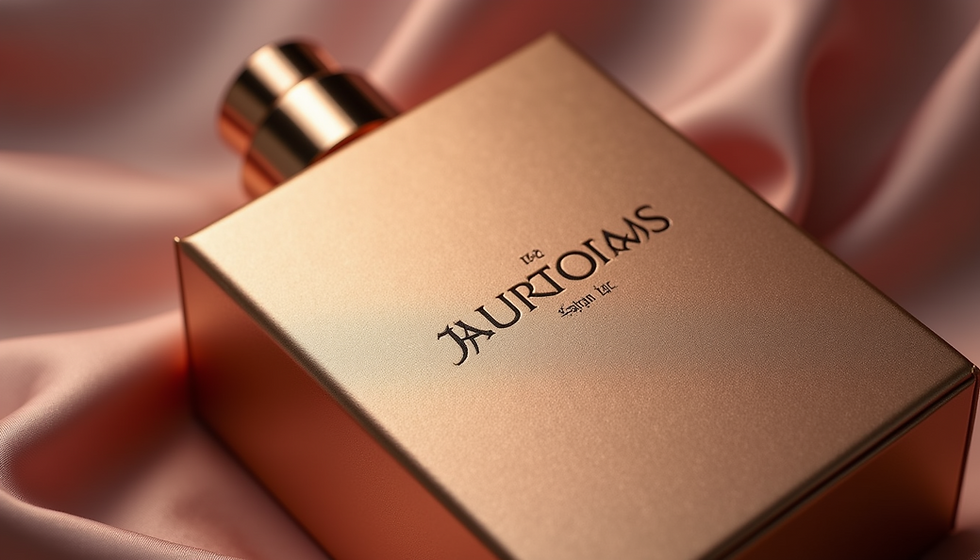
Metallic foils and embossing: Gold, silver, or rose gold foils combined with embossing create a tactile and visual contrast.
Sustainable materials: High-end recycled papers, biodegradable plastics, or plant-based inks appeal to eco-conscious consumers without sacrificing luxury.
Velvet and suede linings: Soft interior linings protect the product and add a layer of indulgence.
Magnetic closures and custom hardware: These details improve usability and add a sense of craftsmanship.
Using these materials thoughtfully enhances the perceived value of the product and supports the brand’s story.
Design Techniques That Make Luxury Packaging Stand Out
Beyond materials, design plays a key role in luxury packaging. Brands use several techniques to create a distinctive look:
Minimalism with a twist: Clean, simple designs with unexpected details like spot gloss or subtle patterns.
Custom typography and logos: Unique fonts and carefully crafted logos reinforce brand identity.
Layered packaging: Multiple layers or compartments add complexity and surprise.
Personalization: Including handwritten notes, monograms, or customizable elements increases emotional connection.
Limited edition packaging: Special designs for holidays or collaborations create urgency and exclusivity.
These techniques help brands differentiate themselves and create memorable experiences.
Case Studies of Successful Luxury Packaging Strategies
Chanel
Chanel’s packaging is iconic for its simplicity and elegance. The classic black and white color scheme, combined with high-quality rigid boxes and satin ribbons, creates a timeless look. The unboxing experience is carefully choreographed to feel like a special occasion, reinforcing Chanel’s reputation for sophistication.
Tiffany & Co.
Tiffany’s signature robin’s egg blue box is instantly recognizable. The sturdy cardboard box with a white satin ribbon has become a symbol of luxury and romance. Tiffany uses this consistent packaging to build brand recognition and emotional attachment.
Hermès
Hermès uses bright orange boxes with a matte finish and brown ribbon, creating a bold and distinctive look. The packaging is designed to be reusable, encouraging customers to keep the box as a keepsake. This approach adds value beyond the product itself.
Aesop
Aesop combines minimalist design with sustainable materials. Their packaging uses recycled paper and simple typography, appealing to customers who value both luxury and environmental responsibility. The tactile feel of the paper and the muted color palette create a refined, understated look.
Tips for Businesses to Enhance Packaging Quality and Exclusivity
Improving packaging to reflect luxury does not always require a huge budget. Here are practical steps businesses can take:
Focus on quality materials: Choose sturdy, textured papers or boxes that feel substantial.
Add tactile elements: Embossing, foil stamping, or soft-touch coatings create a premium feel.
Simplify design: Use clean layouts with limited colors and elegant fonts.
Create an unboxing experience: Include layers, tissue paper, or ribbons to build anticipation.
Personalize when possible: Handwritten notes or custom labels add a human touch.
Consider sustainability: Use eco-friendly materials that align with your brand values.
Test with customers: Gather feedback on packaging to understand what resonates.
By focusing on these areas, businesses can create packaging that communicates quality and exclusivity effectively.
Final Thoughts on Luxury Packaging
Packaging is a vital part of the luxury product experience. It shapes customer perceptions and can turn a simple purchase into a memorable event. Using high-quality materials, thoughtful design, and attention to detail helps brands stand out and build lasting connections with customers.


Comments